Harnessing the Power of AI Creative Tools

In recent years, the design industry has witnessed a significant transformation due to the integration of artificial intelligence (AI). The rise of AI creative tools has opened new possibilities for businesses and individuals seeking efficient, innovative, and high-quality graphic and digital design solutions. These tools are particularly valuable for those in Cyprus looking to enhance their visual communication and branding efforts. In this article, I will explore how AI creative tools can be harnessed effectively, their benefits, practical applications, and considerations for their use.
Understanding AI Creative Tools and Their Impact on Design
AI creative tools refer to software and platforms that use artificial intelligence to assist or automate various aspects of the design process. These tools can generate design elements, suggest layouts, optimise images, and even create entire compositions based on user input or data analysis. The impact of these tools is profound, as they reduce the time and effort required to produce professional-quality designs while maintaining or improving creativity and precision.
For example, AI can analyse colour schemes and recommend palettes that align with brand identity or current trends. It can also automate repetitive tasks such as resizing images for different platforms or removing backgrounds. This allows designers to focus on higher-level creative decisions and strategy.
The integration of AI creative tools is especially beneficial in regions like Nicosia, Cyprus, where businesses seek to stand out in competitive markets. By adopting these technologies, local companies can access cutting-edge design capabilities without the need for extensive in-house resources.

Key Features and Benefits of AI Creative Tools
AI creative tools offer a range of features that enhance the design workflow. Understanding these features helps in selecting the right tools and maximising their potential.
Automated Design Generation: AI can create initial design drafts based on user preferences or input data. This speeds up the brainstorming phase and provides multiple options to choose from.
Image Enhancement and Editing: Tools can automatically adjust brightness, contrast, sharpness, and remove imperfections, improving image quality with minimal manual effort.
Layout and Composition Suggestions: AI analyses content and suggests optimal layouts for websites, advertisements, or social media posts, ensuring visual balance and appeal.
Personalisation and Customisation: AI can tailor designs to specific audiences by analysing user behaviour and preferences, which is valuable for targeted marketing campaigns.
Time and Cost Efficiency: By automating routine tasks, AI creative tools reduce the time spent on design projects and lower costs associated with hiring multiple specialists.
These benefits translate into practical advantages for businesses and individuals. For instance, a small business in Cyprus can quickly produce professional marketing materials without the need for a large design team. Similarly, freelancers can increase their output and offer more competitive pricing.
Is AI Design Free?
One common question is whether AI design tools are free to use. The answer varies depending on the tool and its features. Many AI creative tools offer free versions with limited capabilities, which can be sufficient for basic design needs. However, advanced features, higher resolution outputs, and commercial usage rights often require paid subscriptions or one-time purchases.
For example, some platforms provide free access to AI-generated templates and basic editing but charge for exporting designs without watermarks or accessing premium assets. It is important to review the terms of service and pricing models before committing to a tool, especially for business use.
In Cyprus, where budget considerations are important for many businesses, starting with free or low-cost AI design tools can be a practical approach. As design needs grow, upgrading to paid plans can unlock more sophisticated functionalities and support.
Practical Applications of AI Creative Tools in Business Design
AI creative tools can be applied across various design tasks to improve efficiency and quality. Here are some practical examples relevant to businesses and individuals:
Brand Identity Development
AI can assist in creating logos, selecting brand colours, and generating style guides. This ensures consistency across all marketing materials and strengthens brand recognition.
Social Media Content Creation
Designing engaging posts and advertisements is simplified with AI tools that suggest layouts, captions, and hashtags based on current trends and audience data.
Website and User Interface Design
AI can propose user-friendly layouts and optimise visual elements for better user experience, which is crucial for online business success.
Advertising Campaigns
Automated generation of banners, flyers, and email templates allows for rapid deployment of marketing campaigns with consistent messaging.
Product Packaging and Label Design
AI tools can create appealing packaging designs that comply with regulatory requirements and attract consumer attention.
By integrating AI creative tools into these areas, businesses in Cyprus can enhance their visual communication and compete effectively in both local and international markets.
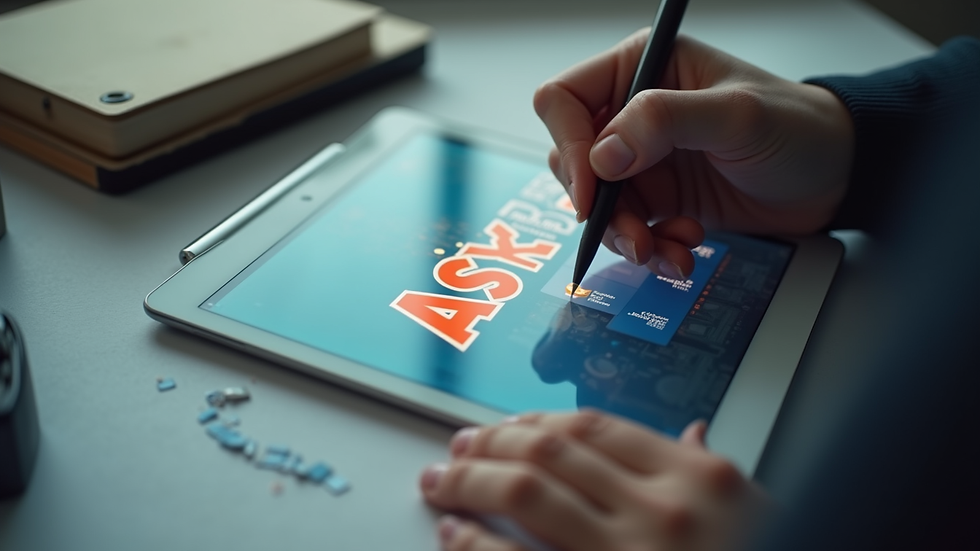
Best Practices for Using AI Creative Tools Effectively
To harness the full potential of AI creative tools, it is important to follow best practices that ensure quality and relevance:
Define Clear Objectives: Before using AI tools, clarify the design goals and target audience. This guides the tool’s input parameters and improves output relevance.
Combine AI with Human Creativity: AI should complement, not replace, human designers. Use AI-generated suggestions as a starting point and refine them with personal expertise.
Stay Updated on Tool Capabilities: AI technology evolves rapidly. Regularly explore new features and updates to maintain a competitive edge.
Maintain Brand Consistency: Use AI tools to reinforce brand guidelines rather than create inconsistent designs.
Evaluate Outputs Critically: Not all AI-generated designs will be perfect. Review and adjust outputs to ensure they meet quality standards and business needs.
By applying these practices, users can avoid common pitfalls and maximise the benefits of AI creative tools.
Looking Ahead: The Future of AI in Design
The future of design is closely linked to advancements in AI technology. As AI creative tools become more sophisticated, they will offer even greater support for complex design tasks, including 3D modelling, animation, and interactive media. Integration with other technologies such as augmented reality (AR) and virtual reality (VR) will further expand design possibilities.
For businesses and individuals in Cyprus, staying informed about these developments is essential. Embracing AI creative tools today positions users to leverage future innovations and maintain a competitive advantage in the evolving digital landscape.
In summary, AI creative tools represent a powerful resource for enhancing design processes. By understanding their capabilities, applying best practices, and integrating them thoughtfully, users can achieve efficient, high-quality, and innovative design outcomes.


Comments